




Advanced Hip Replacement Treatment in Pune
If you are experiencing persistent hip pain, stiffness, difficulty walking, or discomfort while performing daily activities, hip replacement surgery in Pune may help improve mobility and quality of life when other treatments are no longer effective. Brahm Chaitanya Hospital provides medical evaluation and orthopaedic care for patients experiencing hip joint problems.
Call Us when you Need Help!
- ❤️ [XX]+ Cardiac Procedures
- 👨⚕️ Experienced Interventional Cardiologists
- 🚑 24x7 Emergency Cardiac Care
- 🏥 Cashless Insurance Support
What Is Hip Replacement Surgery?
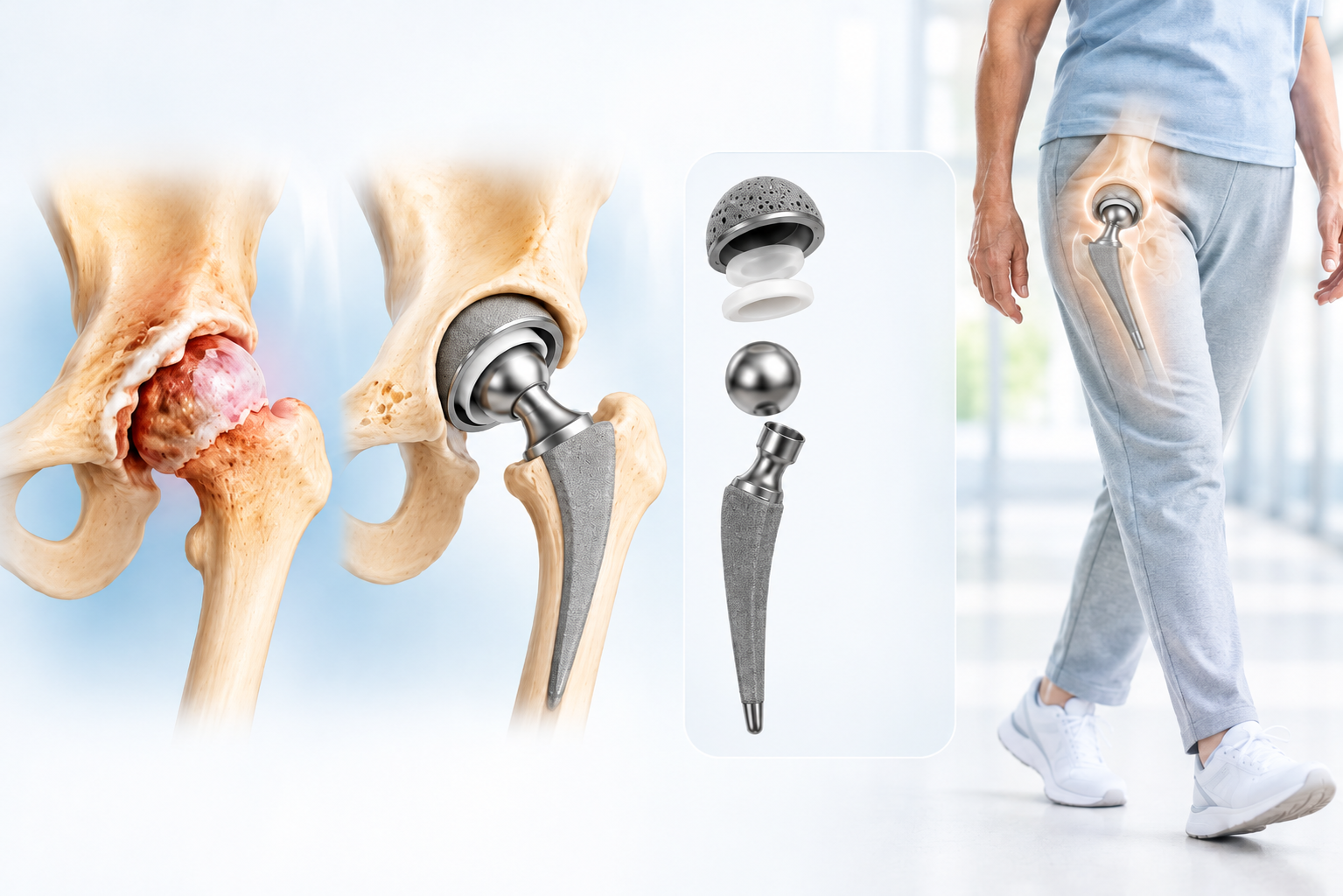
Hip replacement surgery, also known as hip arthroplasty, is a surgical procedure in which damaged parts of the hip joint are replaced with artificial components. It is commonly recommended for patients experiencing severe hip pain, joint damage, or restricted movement that does not improve sufficiently with non-surgical treatments.
The procedure may involve replacing the damaged femoral head and the affected portion of the hip socket with artificial implants. The type of hip replacement depends on the patient’s condition, age, activity level, and overall health.
If you are searching for a hip replacement surgeon in Pune, consulting an experienced orthopaedic specialist can help you understand the available treatment options and determine whether surgery is appropriate for you.
How Is Hip Replacement Surgery Performed?
1. Orthopaedic Consultation
2. Pre-Surgical Evaluation
3. Hip Replacement Procedure
4. Post-Operative Monitoring
5. Physiotherapy and Rehabilitation
Why Choose Brahm Chaitanya Hospital for Hip Replacement in Pune?
Choosing the right hospital for hip replacement surgery involves considering orthopaedic expertise, surgical facilities, rehabilitation support, and coordinated patient care.
Comprehensive Healthcare Services
Brahm Chaitanya Hospital provides healthcare services focused on medical assessment, treatment planning, and patient support.
Orthopaedic Evaluation
A detailed evaluation helps the doctor understand the cause of hip pain, assess joint damage, and determine whether conservative treatment or surgery may be appropriate.
Individualised Treatment Planning
Hip replacement treatment is planned according to the patient’s joint condition, medical history, mobility requirements, and overall health.
Surgical and Recovery Support
Patients undergoing hip replacement require appropriate pre-operative assessment, post-operative monitoring, and rehabilitation guidance to support their recovery.
Patient-Centred Approach
Clear communication, guidance about the procedure, and follow-up care help patients understand their treatment journey and recovery expectations.
When Is Hip Replacement Surgery Recommended?
Hip replacement surgery may be recommended when severe hip joint damage causes persistent pain and difficulty with everyday activities despite appropriate non-surgical treatment.
Common reasons include:
- Severe osteoarthritis of the hip
- Rheumatoid arthritis affecting the hip joint
- Avascular necrosis of the femoral head
- Hip joint damage following certain injuries
- Advanced joint degeneration
- Persistent hip pain that interferes with sleep
- Difficulty walking, standing, or climbing stairs
- Restricted hip movement and stiffness
- Difficulty performing routine daily activities
- Significant joint damage that has not responded adequately to conservative treatment
A qualified orthopaedic specialist can determine whether hip replacement is suitable based on your symptoms, examination findings, imaging results, and overall health.
What Conditions Can Hip Replacement Surgery Help Treat?
Hip replacement surgery may help relieve symptoms associated with several conditions affecting the hip joint, including:
- Osteoarthritis
- Rheumatoid arthritis
- Avascular necrosis
- Severe cartilage damage
- Certain complex hip fractures
- Advanced degenerative joint disease
- Hip joint damage associated with selected medical conditions
The main goals of surgery are to reduce pain, improve joint function, and help patients regain mobility. The results vary depending on the underlying condition, overall health, and rehabilitation progress.
Total Hip Replacement Surgery
Total hip replacement involves replacing the damaged femoral head and the affected joint surface of the hip socket with artificial components.
It is commonly considered for patients with advanced arthritis or substantial hip joint damage. The procedure aims to relieve pain and improve the ability to perform daily activities.
If you are considering total hip replacement in Pune, consult an orthopaedic specialist to understand the expected benefits, potential risks, implant options, and recovery requirements.
Is Hip Replacement Surgery Painful?
Hip replacement surgery is performed using anaesthesia to prevent pain during the operation. After surgery, some discomfort, swelling, or soreness may occur as the body begins to heal.
Pain management is planned according to the patient’s condition and medical needs. Your healthcare team can explain the available options and guide you through the initial recovery period.
What Happens After Hip Replacement Surgery?
Following surgery, the medical team monitors your recovery and provides instructions regarding wound care, medication, mobility, and precautions.
Depending on your condition and recovery progress, you may begin assisted standing or walking with a physiotherapist soon after surgery.
Recovery generally involves:
- Pain management and post-operative monitoring
- Wound care and follow-up appointments
- Guided physiotherapy and strengthening exercises
- Gradual improvement in walking and mobility
- Following precautions recommended by your surgeon
- Progressively returning to daily activities
Recovery time varies from person to person. Follow your surgeon’s instructions and seek medical advice if you experience fever, increasing redness or discharge from the wound, sudden severe pain, chest pain, breathlessness, or other concerning symptoms.
How Long Does Hip Replacement Surgery Take?
The surgical procedure commonly takes around one to two hours, although the duration may vary depending on the complexity of the case, the surgical approach, and other individual factors.
Additional time is required for pre-operative preparation, anaesthesia, post-operative monitoring, and initial recovery.
Your surgeon can provide a more personalised estimate after evaluating your condition.
When Should You Consult an Orthopaedic Specialist?
Consider medical evaluation if you experience persistent or worsening hip symptoms, particularly:
- Ongoing hip pain
- Pain while walking or standing
- Stiffness after sitting or resting
- Difficulty climbing stairs
- Reduced hip movement
- Pain that disrupts sleep
- Difficulty putting on shoes or socks
- Reduced ability to perform everyday activities
- Persistent symptoms despite medication or physiotherapy
An orthopaedic specialist can evaluate the cause of your symptoms and recommend appropriate treatment.
Why Early Evaluation Matters
Persistent hip pain can result from arthritis, joint damage, injuries, or other medical conditions. Early evaluation helps identify the underlying cause and allows treatment options to be considered before symptoms significantly affect daily life.
Depending on the diagnosis, treatment may include medication, physiotherapy, activity modification, walking aids, or surgery.
When joint damage is advanced and non-surgical treatment does not provide adequate relief, hip replacement may be considered as part of an individualised treatment plan.
What Should You Do Before Hip Replacement Surgery?
Your doctor will provide specific pre-operative instructions based on your health and treatment plan. Preparation may include:
Do not stop prescription medicines without medical advice. Discuss all medications and supplements with your healthcare team before surgery.
Brahm Chaitanya
Super Speciality Hospital
NABH ACCREDITED
CASHLESS INSURANCE
Hip Replacement in Pune – Brahm Chaitanya Hospital
If you are looking for hip replacement treatment in Pune, Brahm Chaitanya Hospital provides a setting for medical consultation, evaluation, and coordinated patient care.
Whether you are experiencing persistent hip pain, have been diagnosed with advanced arthritis, or have been advised to consider hip replacement surgery, consulting an orthopaedic specialist can help you understand the most appropriate next steps.
Book a consultation to discuss your symptoms, review your treatment options, and learn whether hip replacement surgery may be suitable for your condition.

Questions you may have about the colonoscopy