




Advanced Neurological Care at Brahm Chaitanya Hospital
If you are experiencing frequent headaches, dizziness, seizures, numbness, weakness, memory problems, or other nervous system concerns, consulting a qualified neurologist in Pune can help identify the possible cause and determine appropriate treatment. Brahm Chaitanya Super Speciality Hospital in Chinchwad, PCMC, Pune, provides neurological consultation and care for a range of brain, spine, and nerve-related conditions.
Timely neurological evaluation can help doctors assess symptoms, recommend suitable investigations, and develop a treatment plan based on your individual health needs.
Call Us when you Need Help!
- ❤️ [XX]+ Cardiac Procedures
- 👨⚕️ Experienced Interventional Cardiologists
- 🚑 24x7 Emergency Cardiac Care
- 🏥 Cashless Insurance Support
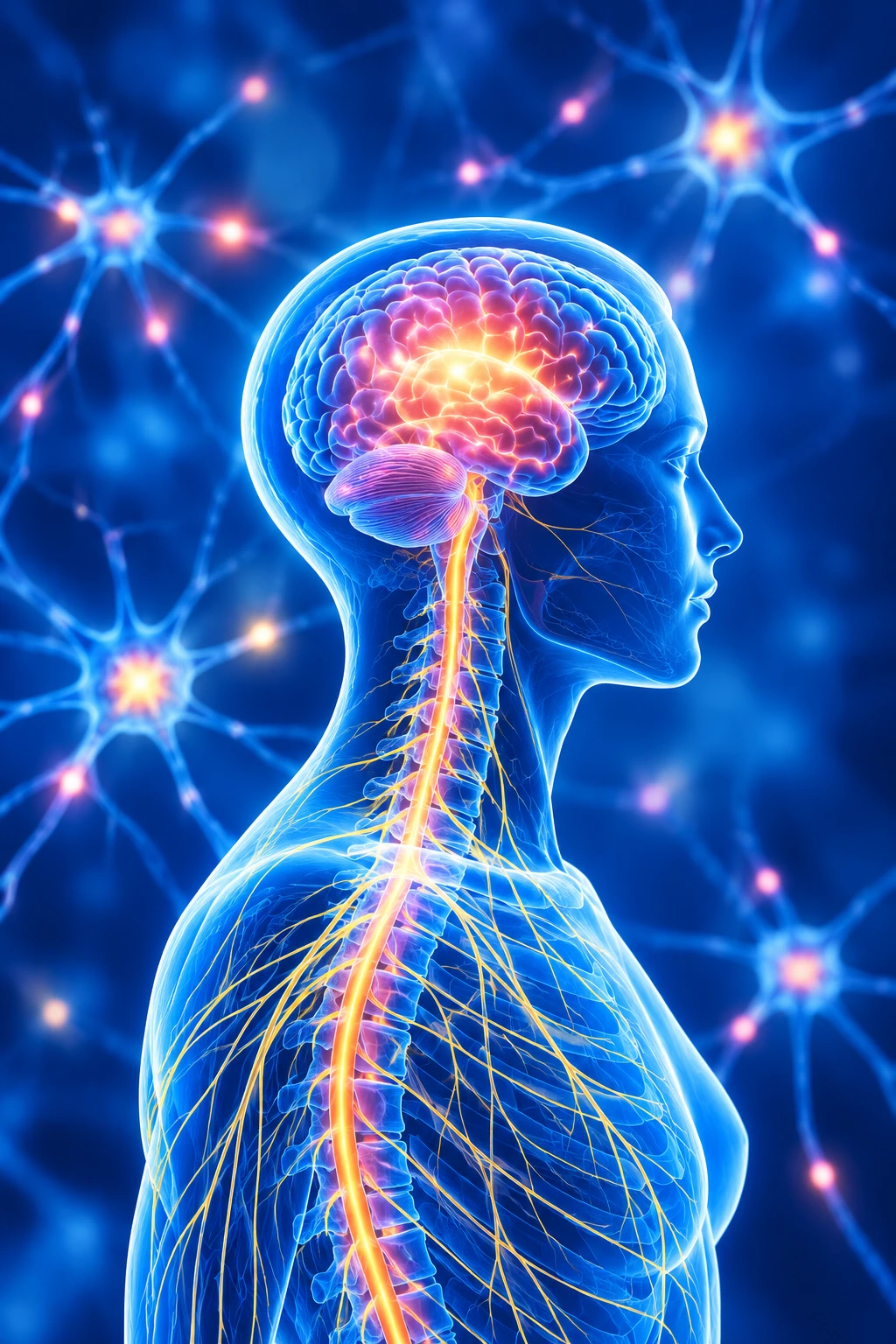
What Is Neurology?
Neurology is a medical speciality focused on diagnosing and treating conditions affecting the brain, spinal cord, nerves, and muscles. A neurologist evaluates symptoms that may affect movement, sensation, coordination, memory, speech, and other nervous system functions.
Depending on your symptoms and medical history, the doctor may recommend a neurological examination, blood tests, MRI, CT scan, EEG, nerve conduction studies, or other investigations.
If you are searching for a neurologist in Pune or a neurology hospital in PCMC, consulting a qualified specialist can help you understand your symptoms and explore appropriate treatment options.
How Is a Neurological Consultation Performed?
1. Medical Consultation
2. Neurological Examination
3. Diagnostic Investigations
4. Diagnosis and Treatment Planning
5. Follow-Up and Monitoring
Why Choose Brahm Chaitanya Hospital for Neurology in Pune?
Comprehensive Neurological Services
Stroke Care
Epilepsy Management
Headache and Migraine Management
Movement Disorder Evaluation
Coordinated Medical Care
When Should You Consult a Neurologist?
- Frequent or persistent headaches
- Recurrent dizziness or balance problems
- Seizures or unexplained episodes of loss of awareness
- Numbness or tingling in the hands or feet
- Persistent muscle weakness
- Tremors or changes in movement
- Memory difficulties or confusion
- Changes in coordination or walking
- Persistent nerve pain
- Symptoms related to a previously diagnosed neurological condition
What Conditions Can a Neurologist Help Manage?
- Stroke and its neurological complications
- Epilepsy and seizure disorders
- Migraine and other headache disorders
- Parkinson's disease
- Essential tremor and movement disorders
- Peripheral neuropathy
- Nerve compression and related symptoms
- Memory and cognitive concerns
- Multiple sclerosis and other neurological disorders
- Balance and coordination problems
Neurological Diagnosis and Investigations
Neurological symptoms can have several possible causes. Diagnostic investigations help doctors gather information about the brain, spinal cord, nerves, and related functions.
Depending on the clinical assessment, investigations may include:
- MRI Scan: Provides detailed images of the brain or spinal structures.
- CT Scan: Helps evaluate certain brain and neurological emergencies.
- EEG: Records electrical activity in the brain and may be used when seizures are suspected.
- Nerve Conduction Studies: Assess how electrical signals travel through peripheral nerves.
- Blood Tests: May help identify metabolic, nutritional, or other conditions contributing to symptoms.
- Neurological Examination: Assesses strength, sensation, reflexes, coordination, and other functions.
Not every patient requires every test. Your doctor will recommend investigations based on your symptoms and examination findings.
Stroke Evaluation and Early Medical Attention
A stroke occurs when the blood supply to part of the brain is interrupted or when bleeding occurs in the brain. Early recognition and emergency treatment are important because stroke can cause permanent disability or become life-threatening.
Warning signs may include sudden weakness or numbness, facial drooping, difficulty speaking, sudden vision problems, or loss of balance.
If you notice these symptoms, seek emergency medical attention immediately. Do not delay care to arrange a routine neurology appointment.
Is a Neurological Examination Painful?
A standard neurological examination is generally non-invasive. It may involve checking reflexes, muscle strength, sensation, coordination, balance, and mental alertness.
Some additional investigations, such as nerve conduction studies, may cause temporary discomfort. Your doctor can explain the purpose of any recommended test and what you can expect before it is performed.
The type of examination depends on your symptoms and suspected condition.
How Long Does a Neurology Consultation Take?
The duration of a consultation depends on the complexity of your symptoms, medical history, and the assessment required.
An initial consultation may take longer because the doctor needs to review your history and perform a neurological examination. If diagnostic investigations are recommended, additional time may be required for testing and follow-up.
Contact the hospital to enquire about neurologist availability and appointment timings.
What Happens After a Neurology Consultation?
After evaluating your symptoms and examination findings, the neurologist may recommend medication, further investigations, lifestyle changes, rehabilitation, or follow-up appointments.
Some conditions can be managed with medication and regular monitoring, while others may require coordinated care with a neurosurgeon or another specialist.
Follow your doctor’s instructions and attend recommended follow-up appointments. Seek urgent medical attention if you develop sudden weakness, difficulty speaking, seizures lasting longer than expected, loss of consciousness, or other severe or rapidly worsening symptoms.
Why Early Neurological Evaluation Matters
Neurological symptoms can arise from a variety of conditions, and their significance depends on how they begin, how long they last, and whether other symptoms occur alongside them.
Early evaluation can help doctors identify possible causes, determine whether urgent treatment is required, and plan appropriate care.
For sudden or severe neurological symptoms, emergency assessment is essential. For persistent non-emergency symptoms, a scheduled consultation with a qualified neurologist can help guide diagnosis and ongoing management.
What Should You Prepare Before a Neurology Appointment?
Before your consultation, consider preparing the following information:
Brahm Chaitanya
Super Speciality Hospital
NABH ACCREDITED
CASHLESS INSURANCE
Neurologist in Pune – Brahm Chaitanya Hospital
If you are looking for a neurologist in Pune, Brahm Chaitanya Super Speciality Hospital in Chinchwad, PCMC, provides neurological consultation and care for conditions affecting the brain, spinal cord, and nervous system.
Whether you are experiencing recurring headaches, seizures, movement difficulties, numbness, or other neurological symptoms, consult a qualified medical professional to understand the appropriate next step.
Contact the hospital to enquire about neurologist appointments, available specialists, and diagnostic services.

Questions you may have about the Neurologists