


Advanced Orthopedic Physiotherapy Care at Brahm Chaitanya Hospital
If you are experiencing joint pain, back pain, muscle stiffness, sports injuries, difficulty walking, or reduced mobility after surgery, orthopedic physiotherapy in Pune can help improve movement, strength, flexibility, and physical function. Brahm Chaitanya Hospital provides healthcare services focused on patient evaluation, treatment planning, and recovery support for individuals experiencing musculoskeletal problems.
Call Us when you Need Help!
- ❤️ [XX]+ Cardiac Procedures
- 👨⚕️ Experienced Interventional Cardiologists
- 🚑 24x7 Emergency Cardiac Care
- 🏥 Cashless Insurance Support
What Is Orthopedic Physiotherapy?
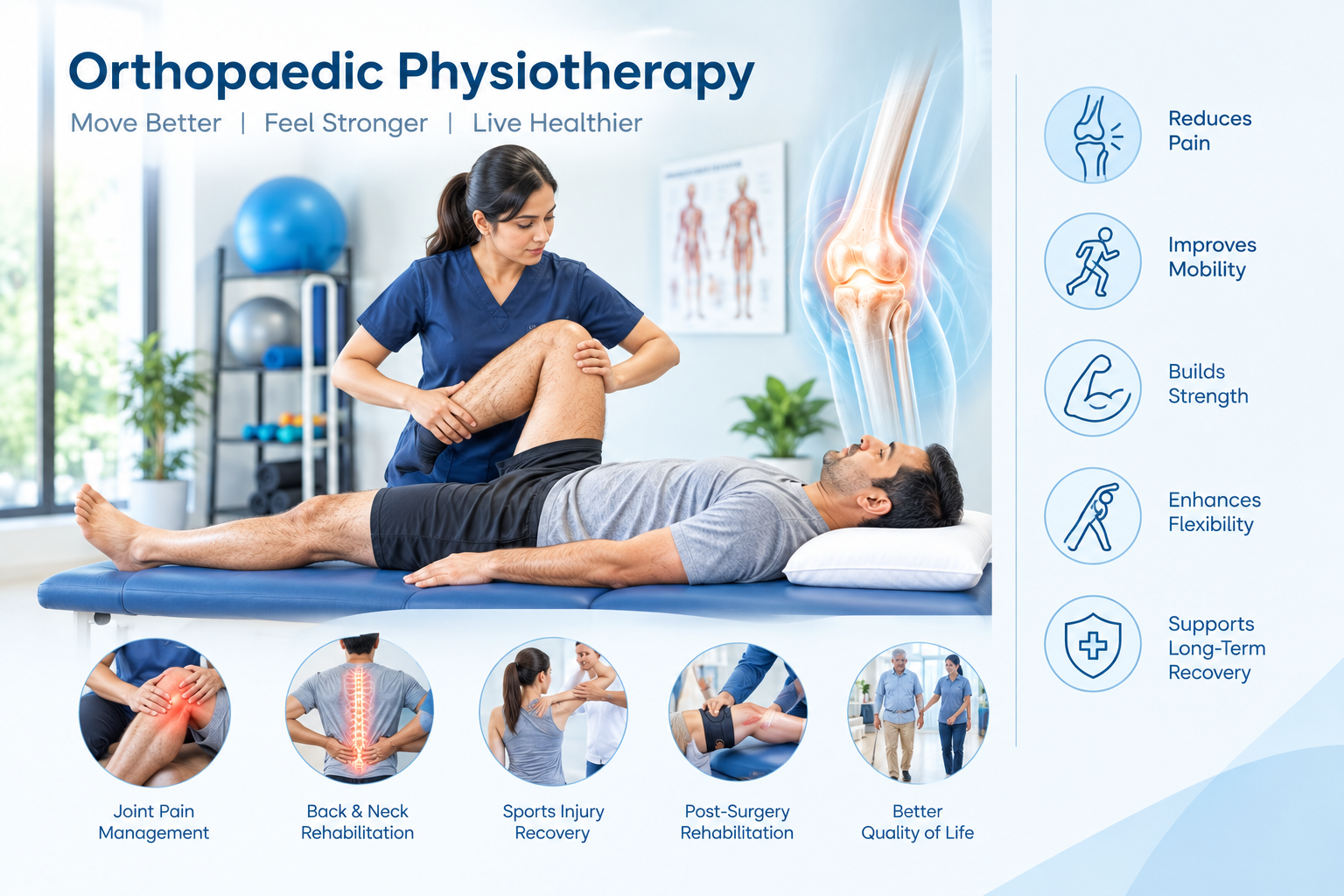
Orthopedic physiotherapy is a specialised area of physiotherapy that focuses on assessing and treating conditions affecting bones, joints, muscles, ligaments, tendons, and other structures involved in movement.
It may be recommended for people experiencing arthritis, back pain, neck pain, sports injuries, fractures, muscle weakness, joint stiffness, or mobility difficulties following surgery.
Orthopedic physiotherapy commonly involves therapeutic exercises, mobility training, muscle strengthening, flexibility exercises, balance training, and other rehabilitation techniques selected according to the patient’s condition.
If you are searching for orthopedic physiotherapy in Pune, consulting an appropriately qualified physiotherapist can help you understand your condition and develop a treatment plan suited to your recovery goals.
How Is Orthopedic Physiotherapy Performed?
1. Initial Assessment
2. Diagnosis-Based Treatment Planning
3. Therapeutic Exercises
4. Pain Management and Mobility Training
5. Progress Monitoring and Rehabilitation
Why Choose Brahm Chaitanya Hospital for Orthopedic Physiotherapy in Pune?
When choosing physiotherapy services, patients often look for appropriate assessment, individualised rehabilitation, professional guidance, and support throughout the recovery process.
Comprehensive Healthcare Services
Brahm Chaitanya Hospital focuses on comprehensive healthcare services with an emphasis on patient care, clinical evaluation, and coordinated treatment planning.
Individualised Rehabilitation Plans
Physiotherapy programmes should reflect the patient’s condition, physical abilities, medical history, and recovery objectives rather than following the same routine for everyone.
Support for Bone and Joint Conditions
Orthopedic physiotherapy may help patients manage movement difficulties associated with arthritis, joint stiffness, injuries, muscle weakness, and certain post-operative conditions.
Post-Surgical Rehabilitation Guidance
After selected orthopaedic procedures, physiotherapy can help patients gradually rebuild strength, improve joint movement, and regain functional mobility according to their surgeon’s recommendations.
Patient-Centred Approach
Clear instructions, regular progress reviews, and practical guidance can help patients understand their exercises and participate more confidently in their rehabilitation.
When Is Orthopedic Physiotherapy Recommended?
A doctor or physiotherapist may recommend orthopedic physiotherapy when pain, injury, weakness, or stiffness affects normal movement and daily activities.
Common reasons include:
- Persistent knee, hip, shoulder, or ankle pain
- Joint stiffness and restricted movement
- Lower back pain and neck discomfort
- Arthritis-related mobility difficulties
- Muscle weakness or reduced flexibility
- Sports-related injuries
- Ligament and tendon injuries
- Recovery following selected fractures
- Rehabilitation after knee or hip replacement
- Recovery following other orthopaedic surgeries
- Balance difficulties and walking problems
- Posture-related movement concerns
- Difficulty returning to normal activities after an injury
The suitability of physiotherapy depends on the underlying condition and the patient’s overall health. Some injuries require medical assessment before exercise or rehabilitation begins.
What Conditions Can Orthopedic Physiotherapy Help Manage?
Orthopedic physiotherapy may support the rehabilitation and management of several musculoskeletal conditions, including:
- Osteoarthritis and other joint conditions
- Knee pain and hip pain
- Shoulder stiffness and restricted movement
- Lower back pain
- Neck pain associated with musculoskeletal problems
- Sports injuries and muscle strains
- Selected ligament and tendon injuries
- Reduced mobility following fractures
- Muscle weakness and reduced flexibility
- Post-operative movement difficulties
- Balance and walking impairments
- Certain repetitive-strain injuries
Physiotherapy may help improve movement, strength, flexibility, and function. The results vary according to the diagnosis, severity of the condition, consistency of rehabilitation, and individual recovery.
Orthopedic Physiotherapy for Back and Neck Pain
Back and neck pain can develop due to muscle strain, movement-related problems, prolonged positions, injuries, or other medical conditions.
An assessment can help identify movements that aggravate symptoms and determine which rehabilitation approaches may be appropriate.
Depending on the diagnosis, treatment may include:
Gentle mobility exercises
Targeted muscle strengthening
Flexibility exercises
Posture and movement education
Gradual return to daily activities
Guidance on managing physical activity
Severe or sudden back pain accompanied by new leg weakness, numbness around the groin, or bladder or bowel control changes requires urgent medical assessment rather than routine physiotherapy.
Is Orthopedic Physiotherapy Painful?
Orthopedic physiotherapy should be adapted to your condition, pain levels, and physical abilities.
Some exercises may cause mild temporary muscle soreness or discomfort, especially when you begin rehabilitation. However, treatment should not involve pushing through severe or worsening pain.
Inform your physiotherapist if an exercise causes significant discomfort, swelling, dizziness, or new symptoms so the programme can be reviewed.
The goal is to support safe and progressive improvement in movement and function.
What Happens During an Orthopedic Physiotherapy Session?
A physiotherapy session generally begins with a review of your symptoms and progress since the previous appointment.
Depending on your treatment plan, a session may involve:
- Reviewing pain levels and movement
- Practising prescribed therapeutic exercises
- Working on joint mobility and flexibility
- Performing muscle-strengthening activities
- Practising walking, balance, or functional movements
- Reviewing posture and movement techniques
- Receiving instructions for home exercises
The session structure and duration vary according to the treatment required and the patient’s condition.
How Long Does Orthopedic Physiotherapy Take?
The duration of physiotherapy depends on the condition being treated, the severity of the problem, your general health, and your response to rehabilitation.
Some patients may benefit from a short course of treatment, while recovery following major injuries or joint replacement surgery may require several weeks or months of rehabilitation.
Your physiotherapist can suggest an initial treatment schedule and review your progress during follow-up appointments.
When Should You Consult a Physiotherapist?
You may benefit from a physiotherapy assessment if you experience persistent movement-related problems, particularly:
- Pain that interferes with everyday activities
- Stiffness after sitting or resting
- Reduced joint flexibility
- Difficulty walking or climbing stairs
- Muscle weakness following an injury
- Limited movement after surgery
- Recurrent sports injuries
- Difficulty maintaining balance
- Reduced strength after prolonged inactivity
- Persistent symptoms despite initial treatment
A doctor may need to evaluate certain symptoms before physiotherapy begins, particularly after a significant injury or when the cause of the pain is unclear.
Why Early Rehabilitation Matters
Pain, stiffness, weakness, and reduced movement can interfere with work, exercise, and daily activities. Appropriate rehabilitation may help address these problems before they lead to further functional limitations.
Early assessment can help identify the need for medical investigations, determine whether exercise is appropriate, and guide the selection of suitable treatment.
For patients recovering from injuries or surgery, a structured rehabilitation programme can help restore movement and strength progressively while respecting medical precautions.
What Should You Do Before Orthopedic Physiotherapy?
Preparing for your appointment can help your physiotherapist understand your condition and plan suitable treatment.
Do not begin strenuous exercises or discontinue prescribed medicines without medical advice.
Brahm Chaitanya
Super Speciality Hospital
NABH ACCREDITED
CASHLESS INSURANCE
Orthopedic Physiotherapy in Pune – Brahm Chaitanya Hospital
If you are looking for orthopedic physiotherapy in Pune, Brahm Chaitanya Hospital provides a setting for medical consultation, evaluation, and coordinated patient care.
Whether you are experiencing joint pain, muscle stiffness, back discomfort, sports injuries, or mobility difficulties following surgery, a professional assessment can help you understand suitable treatment and rehabilitation options.
Book a consultation to discuss your symptoms, review your recovery goals, and learn whether orthopedic physiotherapy may be appropriate for your condition.

Questions you may have about the colonoscopy