




Advanced Digestive Health Evaluation at Brahm Chaitanya Hospital
If you are experiencing persistent abdominal pain, changes in bowel habits, rectal bleeding, unexplained weight loss, or other digestive concerns, a colonoscopy in Pune can help doctors examine the inner lining of the large intestine and identify potential problems at an early stage. Brahm Chaitanya Hospital provides comprehensive diagnostic and medical care for patients requiring gastrointestinal evaluation.
Call Us when you Need Help!
- ❤️ [XX]+ Cardiac Procedures
- 👨⚕️ Experienced Interventional Cardiologists
- 🚑 24x7 Emergency Cardiac Care
- 🏥 Cashless Insurance Support
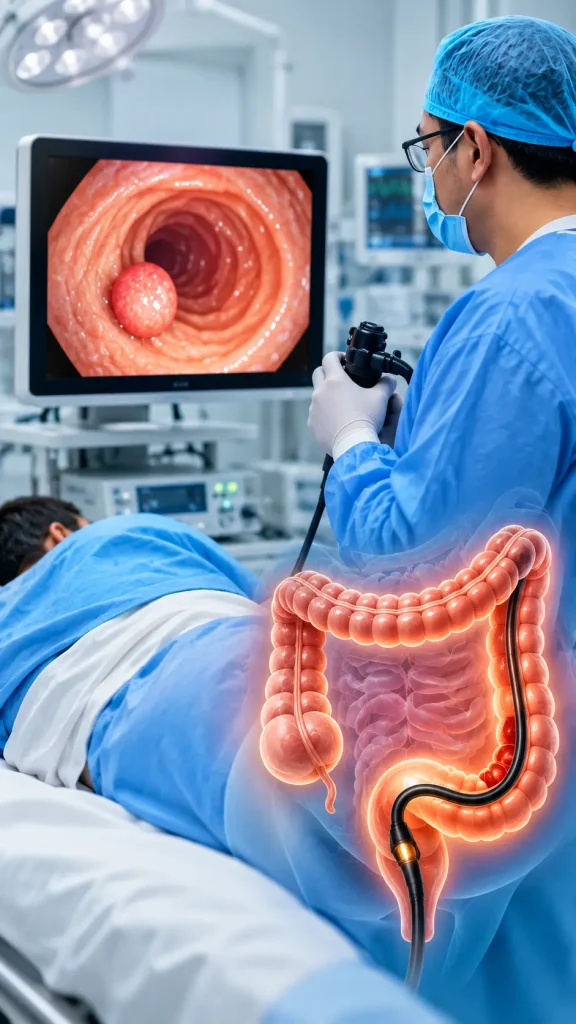
What Is a Colonoscopy?
A colonoscopy is a diagnostic procedure used to examine the rectum and entire colon (large intestine) using a thin, flexible tube equipped with a camera. The procedure allows a qualified doctor to identify abnormalities such as inflammation, polyps, ulcers, bleeding sources, and other changes in the intestinal lining.
During the procedure, small tissue samples may be collected for laboratory examination, and certain polyps may be removed when clinically appropriate.
If you are searching for a colonoscopy doctor in Pune or a hospital for gastrointestinal evaluation, choosing a facility with experienced medical professionals and appropriate diagnostic support can make the process more comfortable and organized.
How Is a Colonoscopy Performed?
1. Medical Consultation
2. Bowel Preparation
3. Colonoscopy Procedure
4. Biopsy or Polyp Removal
5. Recovery and Follow-Up
Why Choose Brahm Chaitanya Hospital for Colonoscopy in Pune?
When undergoing a diagnostic procedure, patients often look for a hospital that provides coordinated medical evaluation and appropriate support throughout their treatment journey.
Comprehensive Healthcare Services
Comprehensive Patient Evaluation
Experienced Medical Care
Diagnostic Evaluation
Patient-Centred Approach
When Is a Colonoscopy Recommended?
A doctor may recommend a colonoscopy when symptoms or medical history indicate the need for further examination of the colon.
Common reasons include:
- Persistent abdominal pain or discomfort
- Blood in the stool or rectal bleeding
- Persistent diarrhea or constipation
- changes in bowel habits
- Unexplained weight loss
- Iron-deficiency anemia with no clear cause
- Suspected inflammatory bowel disease
- Evaluation of intestinal polyps
- Follow-up after previous polyps
- Investigation of certain gastrointestinal symptoms
- Colorectal cancer screening based on age and individual risk factors
A doctor may recommend a colonoscopy when symptoms or medical history indicate the need for further examination of the colon.
What Conditions Can a Colonoscopy Help Detect?
A colonoscopy can help doctors investigate or identify several conditions affecting the colon, including:
- Colon polyps
- Colorectal cancer
- Inflammatory bowel disease
- Ulcerative colitis
- Crohn's disease affecting the colon
- Sources of lower gastrointestinal bleeding
- Inflammation of the colon
- Certain structural abnormalities
Finding a condition early can help doctors determine an appropriate treatment or monitoring plan.
Colonoscopy for Colorectal Cancer Screening
Colonoscopy may be used as a screening test for colorectal cancer in people who meet recommended screening criteria. Screening recommendations can vary depending on age, family history, previous findings, and individual risk factors.
During screening, doctors can identify and sometimes remove precancerous polyps before they develop into cancer.
If you are considering colonoscopy screening in Pune, speak with a qualified doctor to determine whether screening is appropriate for you and when it should be performed.
Is Colonoscopy Painful?
People may have different experiences during a colonoscopy. Some patients may experience temporary abdominal pressure, bloating, or cramping.
Sedation or other measures may be used depending on the patient’s condition, the doctor’s recommendation, and the clinical setting.
Your healthcare team can explain the available options and what you can expect before the procedure.
How Long Does a Colonoscopy Take?
The actual examination commonly takes around 30 to 60 minutes, although the overall time at the hospital can be longer because of preparation, recovery, and monitoring.
The duration may vary depending on the findings and whether additional procedures, such as biopsy or polyp removal, are required.
What Happens After a Colonoscopy?
After the procedure, your doctor may discuss the initial findings with you. If a biopsy or polyp sample was taken, additional laboratory testing may be required before a final diagnosis is made.
You may experience temporary bloating or mild abdominal discomfort. Your doctor will advise you about returning to normal food, activities, and medications.
Seek medical attention promptly if you develop severe abdominal pain, significant bleeding, persistent vomiting, fever, dizziness, or other concerning symptoms after the procedure.
What Happens After a Colonoscopy?
You should consider medical evaluation if you have persistent or unexplained digestive symptoms, particularly:
- Blood in the stool
- Persistent constipation or diarrhea
- Unexplained weight loss
- Unexplained anemia
- Recurrent abdominal pain
- Unexplained changes in bowel movements
- Persistent bloating or digestive discomfort
- A personal or family history of colorectal polyps or cancer
A doctor can determine whether colonoscopy or another diagnostic test is appropriate.
Why Early Evaluation Matters
Digestive symptoms can have many possible causes. Some may be relatively minor, while others require timely investigation.
A colonoscopy allows doctors to directly examine the lining of the colon and, when appropriate, obtain tissue samples or remove certain polyps during the same procedure.
Early medical evaluation can therefore help in detecting abnormalities, establishing a diagnosis, and planning appropriate treatment or monitoring.
What Should You Do Before a Colonoscopy?
Your doctor will provide specific preparation instructions. Depending on your individual circumstances, preparation may include:
Do not stop prescription medicines on your own. Discuss all medications and supplements with your doctor before the procedure.
Brahm Chaitanya
Super Speciality Hospital
NABH ACCREDITED
CASHLESS INSURANCE
Colonoscopy in Pune – Brahm Chaitanya Hospital
If you are looking for a colonoscopy in Pune, Brahm Chaitanya Hospital offers a setting for medical consultation, diagnostic evaluation, and coordinated patient care.
Whether you have been advised to undergo a colonoscopy because of digestive symptoms, abnormal test results, a previous history of polyps, or screening requirements, consult a qualified medical professional to understand the most appropriate next step.
Book a consultation with Brahm Chaitanya Hospital to discuss your gastrointestinal symptoms and learn whether a colonoscopy is suitable for your condition.

Questions you may have about the colonoscopy