




Laparoscopic Surgery in Pune at Brahm Chaitanya Hospital
If you have been advised to consider laparoscopic surgery in Pune, consult a qualified surgeon to understand the procedure, possible benefits, risks, and recovery plan. Laparoscopic or keyhole surgery uses a camera and specialised instruments through small incisions to perform selected operations inside the abdomen. Contact Brahm Chaitanya Hospital to enquire about consultations and available surgical services.
Call Us when you Need Help!
- 🩺 Experienced Surgical Care
- 👨⚕️ Surgical Consultation
- 🏥 Patient-Centred Surgical Care
- 🏥 Cashless Insurance Support
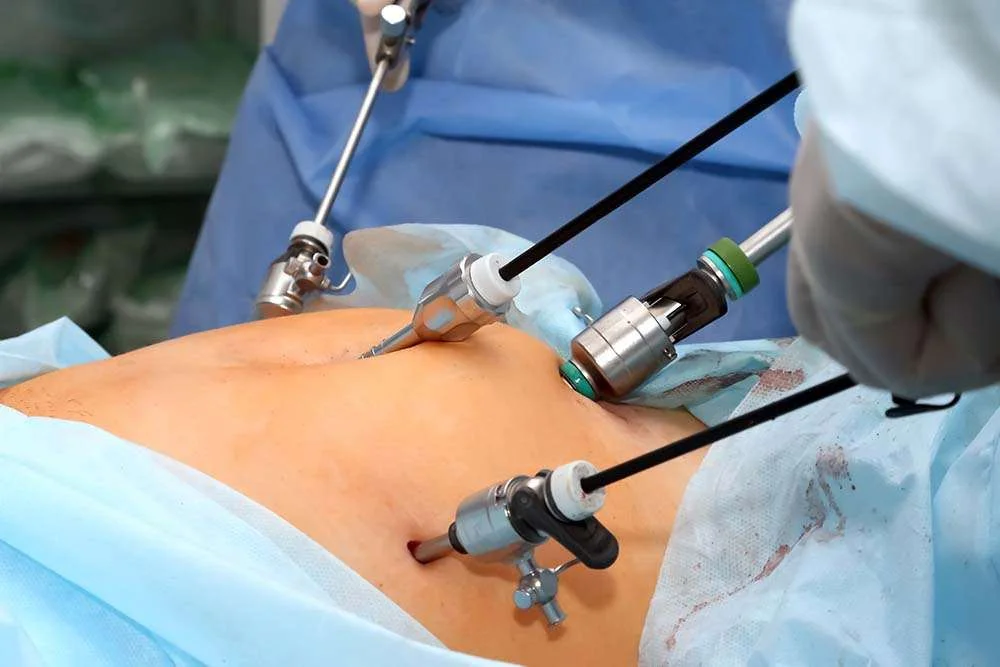
What Is Laparoscopic Surgery?
Laparoscopic surgery, also known as keyhole or minimally invasive surgery, uses a camera (laparoscope) and specialised instruments inserted through small incisions. It may be suitable for selected abdominal and pelvic operations, depending on the diagnosis and the patient’s health.
The surgeon explains the recommended operation, alternatives, expected benefits, and possible risks. Occasionally, an operation started laparoscopically may need to be changed to open surgery for safety.
If you are looking for laparoscopic surgery in Pune, arrange a consultation with a qualified surgeon to find out whether this approach is suitable for your condition.
How Is Laparoscopic Surgery Performed?
1. Medical Consultation
2. Pre-operative Preparation
3. Laparoscopic Surgery Procedure
4. Surgical Treatment
5. Recovery and Follow-Up
Why Consider Brahm Chaitanya Hospital for Laparoscopic Surgery in Pune?
When undergoing a diagnostic procedure, patients often look for a hospital that provides coordinated medical evaluation and appropriate support throughout their treatment journey.
Comprehensive Healthcare Services
Comprehensive Patient Evaluation
Experienced Medical Care
Diagnostic Evaluation
Patient-Centred Approach
When Is Laparoscopic Surgery Recommended?
A surgeon may consider laparoscopic surgery when a condition can be treated using a keyhole approach. Suitability depends on the diagnosis, prior operations, overall health, and surgical findings.
Common reasons include:
- Persistent abdominal pain or discomfort
- Persistent or severe abdominal pain
- Persistent diarrhea or constipation
- persistent abdominal symptoms
- Unexplained weight loss
- A diagnosed condition requiring surgical assessment
- Suspected selected abdominal conditions
- Evaluation of intestinal abnormal tissue
- Follow-up after previous abnormal tissue
- Investigation of certain abdominal symptoms
- Assessment of suitability for keyhole surgery
A surgeon may consider laparoscopic surgery when a condition can be treated using a keyhole approach. Suitability depends on the diagnosis, prior operations, overall health, and surgical findings.
What Conditions Can Laparoscopic Surgery Treat?
Laparoscopic techniques may be used for selected operations such as gallbladder removal, appendectomy, certain hernia repairs, and other abdominal or pelvic procedures, depending on clinical suitability.
- Gallbladder conditions requiring surgery
- Appendicitis
- Selected hernias
- Ulcerative colitis
- Crohn's disease affecting the abdomen
- Sources of lower abdominal bleeding
- Inflammation of the abdomen
- Certain structural abnormalities
Finding a condition early can help doctors determine an appropriate treatment or monitoring plan.
Common Uses of Laparoscopic Surgery
Laparoscopic surgery is a technique used for selected operations rather than one single treatment. Suitability, potential benefits, and risks depend on the diagnosis, planned procedure, and individual clinical assessment.
During screening, doctors can identify and sometimes remove precancerous abnormal tissue before they develop into cancer.
If you are considering laparoscopic surgery screening in Pune, speak with a qualified doctor to determine whether screening is appropriate for you and when it should be performed.
Is Laparoscopic Surgery Painful?
Some discomfort can occur after laparoscopic surgery and is managed according to the procedure and the patient’s needs. The anaesthesia and pain-relief plan will be discussed by the medical team.
As with all operations, laparoscopic surgery has potential risks, which the surgeon will explain before consent.
Your healthcare team can explain the available options and what you can expect before the procedure.
How Long Does Laparoscopic Surgery Take?
The duration of laparoscopic surgery varies considerably depending on the operation, its complexity, and individual circumstances. Your surgeon can explain the expected operating time and hospital stay during consultation.
The duration may vary depending on the findings and whether additional procedures, such as biopsy or abnormal tissue removal, are required.
What Happens After Laparoscopic Surgery?
After surgery, the team will explain the operation and give guidance about wound care, activity, diet, medicines, and follow-up. Temporary tiredness, bloating, or discomfort may occur. Follow your discharge instructions and contact your care team if you have concerns. Your doctor will advise you about returning to normal food, activities, and medications.
Seek medical attention promptly if you develop severe abdominal pain, significant bleeding, persistent vomiting, fever, dizziness, or other concerning symptoms after the procedure.
What Happens After Laparoscopic Surgery?
After surgery, seek prompt medical advice for worsening pain, fever, persistent vomiting, or increasing wound redness, swelling, bleeding, or discharge. Seek emergency care for chest pain or difficulty breathing.
- Persistent abdominal pain
- Persistent constipation or diarrhea
- Unexplained weight loss
- Unexplained abdominal symptoms
- Recurrent abdominal pain
- A diagnosed condition that may require surgery
- Persistent abdominal discomfort
- A personal or family history of abdominal abnormal tissue or cancer
Your surgeon can explain whether laparoscopic surgery, open surgery, or a non-surgical option is appropriate for your condition.
Why Early Evaluation Matters
Abdominal symptoms can have many causes and should be assessed by a qualified clinician.
Laparoscopic surgery allows surgeons to perform selected operations through small incisions. The suitability of this approach and the expected outcome depend on the condition and individual assessment..
Early medical evaluation can therefore help in detecting abnormalities, establishing a diagnosis, and planning appropriate treatment or monitoring.
How Should You Prepare for Laparoscopic Surgery?
Your doctor will provide specific preparation instructions. Depending on your individual circumstances, preparation may include:
Follow your surgeon’s instructions about fasting and medicines. Do not stop prescription medicines or supplements unless your treating team advises you to do so.
Brahm Chaitanya
Super Speciality Hospital
NABH ACCREDITED
CASHLESS INSURANCE
Laparoscopic Surgery in Pune – Brahm Chaitanya Hospital
If you are looking for laparoscopic surgery in Pune, contact Brahm Chaitanya Hospital to enquire about surgical consultation and available services. A qualified surgeon can review your diagnosis, explain treatment options, and discuss preparation and recovery. Confirm the availability of the specific procedure directly with the hospital.
Whether you have been advised to undergo a laparoscopic surgery because of abdominal symptoms, abnormal test results, a previous history of abnormal tissue, or screening requirements, consult a qualified medical professional to understand the most appropriate next step.
Book a consultation with Brahm Chaitanya Hospital to discuss your abdominal symptoms and learn whether a laparoscopic surgery is suitable for your condition.

Questions you may have about the laparoscopic surgery