




Expert Orthopaedic Care at Brahm Chaitanya Hospital
If you are experiencing persistent joint pain, back pain, muscle discomfort, fractures, sports injuries, or difficulty with movement, consulting an orthopaedic doctor in Chinchwad can help identify the underlying cause and guide appropriate treatment. Brahm Chaitanya Hospital provides medical evaluation and healthcare services for patients experiencing bone, joint, muscle, and ligament-related concerns.
Call Us when you Need Help!
- ❤️ [XX]+ Cardiac Procedures
- 👨⚕️ Experienced Interventional Cardiologists
- 🚑 24x7 Emergency Cardiac Care
- 🏥 Cashless Insurance Support
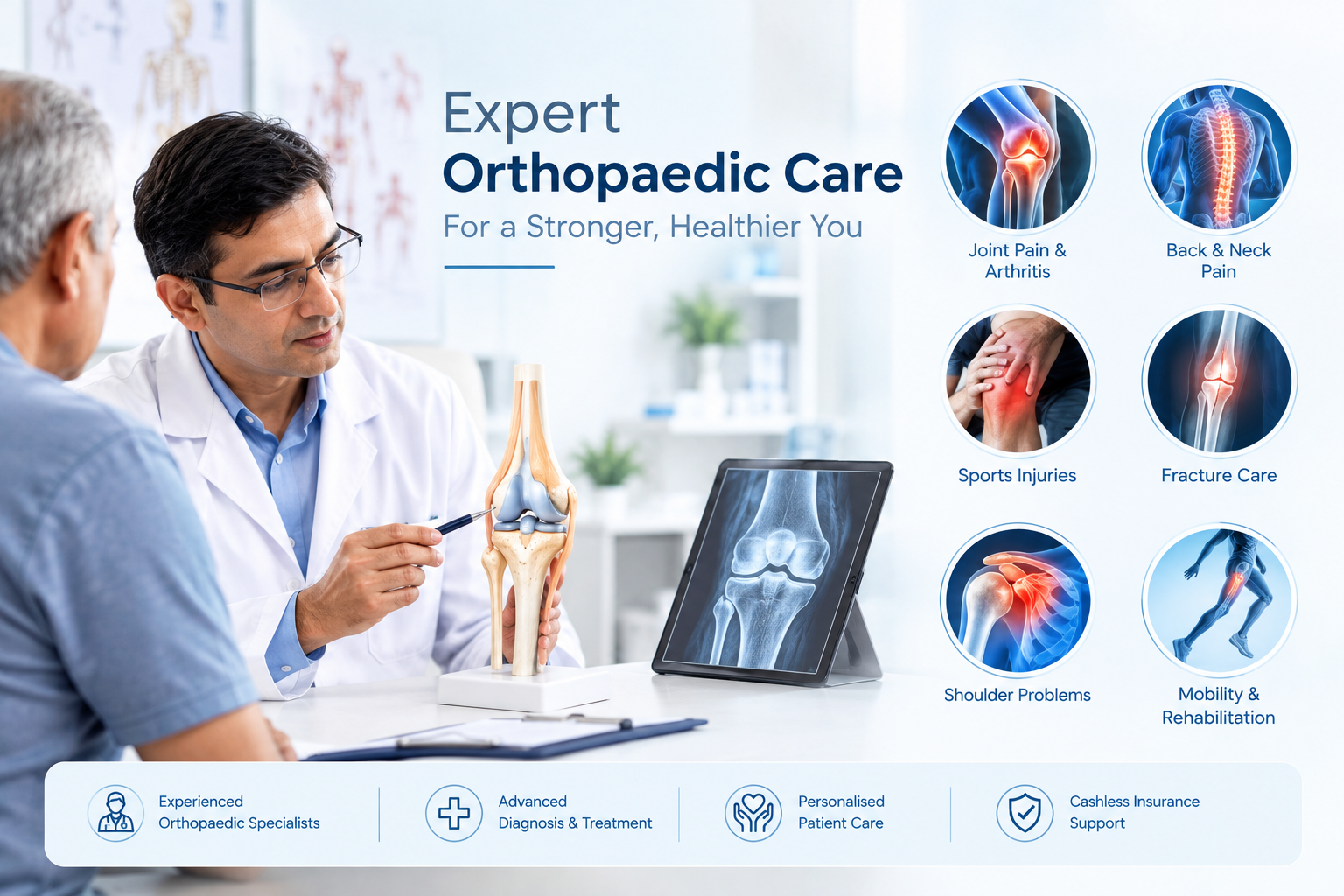
What Does an Orthopaedic Doctor Do?
An orthopaedic doctor specialises in diagnosing and treating conditions affecting the musculoskeletal system, including bones, joints, muscles, ligaments, tendons, and related structures.
Orthopaedic doctors help manage a wide range of conditions, such as arthritis, fractures, joint injuries, back pain, sports injuries, and movement-related problems. Depending on the diagnosis, treatment may involve medication, physiotherapy, activity modification, supportive devices, injections, or surgery.
If you are searching for an orthopaedic doctor in Chinchwad, consulting a qualified specialist can help you understand your condition and explore suitable treatment options.
How Does an Orthopaedic Consultation Work?
1. Medical Consultation
2. Physical Examination
3. Diagnostic Investigations
4. Treatment Planning
5. Follow-Up and Rehabilitation
Why Choose Brahm Chaitanya Hospital for an Orthopaedic Doctor in Chinchwad?
When seeking orthopaedic care, patients often look for appropriate medical evaluation, clear communication, and coordinated treatment planning.
Comprehensive Healthcare Services
Brahm Chaitanya Hospital focuses on providing healthcare services with an emphasis on patient evaluation, treatment planning, and coordinated medical care.
Orthopaedic Assessment
A detailed assessment helps identify the possible causes of bone, joint, and muscle-related symptoms and determine whether further investigations or specialist treatment are required.
Individualised Treatment Planning
Treatment recommendations are based on the patient’s symptoms, diagnosis, medical history, activity level, and overall health.
Injury Evaluation and Treatment Guidance
Bone and joint injuries may require timely assessment to determine their severity and the appropriate management approach.
Patient-Centred Approach
Clear explanations, guidance regarding investigations, and appropriate follow-up can help patients better understand their condition and treatment options.
When Should You Consult an Orthopaedic Doctor?
An orthopaedic consultation may be helpful when you experience persistent pain, movement difficulties, or symptoms associated with an injury.
Common reasons to consult an orthopaedic specialist include:
- Persistent knee, hip, shoulder, or ankle pain
- Back pain or neck pain
- Joint stiffness or swelling
- Difficulty walking or climbing stairs
- Suspected fractures or bone injuries
- Sports-related injuries
- Muscle, ligament, or tendon injuries
- Reduced joint movement
- Arthritis-related pain and stiffness
- Recurrent joint discomfort
- Pain that interferes with sleep or daily activities
- Symptoms that do not improve with initial treatment
Seek urgent medical attention for a suspected fracture, a visibly deformed limb, an open injury, or severe pain following an accident. Sudden back pain accompanied by new bladder or bowel control problems or significant leg weakness also requires emergency evaluation.
What Conditions Can an Orthopaedic Doctor Treat?
Orthopaedic doctors evaluate and manage a wide range of musculoskeletal conditions, including:
- Osteoarthritis and other forms of arthritis
- Bone fractures and dislocations
- Sports injuries
- Ligament and tendon injuries
- Back and neck pain
- Shoulder and knee problems
- Hip joint disorders
- Muscle and joint injuries
- Tendinitis and bursitis
- Joint stiffness and restricted mobility
- Certain bone deformities
- Post-injury rehabilitation needs
The appropriate treatment depends on the diagnosis, severity of the condition, and the patient’s overall health.
Orthopaedic Treatment for Joint Pain
Joint pain may result from arthritis, overuse, injuries, inflammation, or degenerative changes. An orthopaedic doctor assesses the affected joint and recommends treatment based on the underlying cause.
Treatment options may include medication, physiotherapy, activity modification, supportive devices, or surgical intervention when necessary.
Early assessment can help determine the cause of persistent joint pain and prevent patients from relying on unsuitable self-treatment.
Fracture and Injury Management
Fractures can occur because of falls, road accidents, sports injuries, or other trauma. The severity of a fracture varies depending on the affected bone and the nature of the injury.
An orthopaedic doctor may recommend imaging investigations to assess the injury and determine whether treatment with immobilisation, a cast, a brace, or surgery is required.
Follow-up appointments help monitor healing and guide the gradual return to normal activities.
Sports Injury Evaluation and Treatment
Sports injuries may affect muscles, ligaments, tendons, bones, and joints. Common examples include ankle sprains, knee ligament injuries, muscle strains, and shoulder injuries.
An orthopaedic assessment helps determine the severity of the injury and identify an appropriate treatment and rehabilitation plan.
Returning to sports too early may increase the risk of further injury. Follow your doctor's recommendations regarding activity restrictions and rehabilitation.
When Is Orthopaedic Surgery Recommended?
Orthopaedic surgery may be considered for selected conditions involving significant bone, joint, or soft-tissue damage.
Examples include:
- Certain complex fractures
- Severe arthritis affecting joint function
- Advanced knee or hip joint damage
- Selected ligament or tendon injuries
- Joint instability that requires surgical treatment
- Certain bone deformities
- Injuries that cannot be adequately managed with non-surgical treatment
The decision to operate depends on the patient’s diagnosis, symptoms, examination findings, imaging results, and overall health.
What Happens During Orthopaedic Recovery?
Recovery depends on the condition being treated and the type of treatment received. Some patients improve with medication and physiotherapy, while others may require a longer recovery period following an injury or surgery.
Recovery may involve:
- Following the prescribed treatment plan
- Taking medication as directed
- Attending follow-up appointments
- Performing recommended physiotherapy exercises
- Using braces or walking aids when advised
- Gradually returning to routine activities
- Following activity restrictions and safety precautions
Contact your healthcare professional if symptoms worsen or you develop new or concerning symptoms during recovery.
When Should You Seek Immediate Medical Attention?
Certain symptoms require urgent medical evaluation rather than a routine orthopaedic appointment.
Seek immediate care if you experience:
- Severe pain following an accident or fall
- A suspected fracture or visible bone deformity
- An open wound with a suspected fracture
- Sudden inability to bear weight after an injury
- A hot, swollen joint accompanied by fever
- New leg weakness with bladder or bowel control changes
- Severe back pain with numbness around the groin or saddle area
Prompt evaluation can help identify serious injuries or conditions requiring urgent treatment.
Is Orthopaedic Treatment Always Surgical?
No. Many orthopaedic conditions can be managed without surgery.
Depending on the diagnosis, non-surgical treatment may include:
- Medication for pain or inflammation
- Physiotherapy and prescribed exercises
- Activity modification and rest
- Braces, splints, or other supportive devices
- Rehabilitation following injury
- Lifestyle changes where appropriate
Surgery may be considered when conservative treatment does not provide sufficient relief, when an injury requires surgical repair, or when significant structural damage affects function.
Your orthopaedic doctor can explain the potential benefits, risks, and alternatives before recommending a procedure.
Why Early Orthopaedic Evaluation Matters
Persistent bone, joint, and muscle symptoms can affect mobility, sleep, work, and everyday activities. Early medical evaluation helps identify the underlying cause and allows suitable treatment options to be considered.
Depending on the condition, treatment may involve medication, physiotherapy, activity modification, supportive devices, or surgery.
An orthopaedic specialist can also guide rehabilitation and follow-up to help patients manage symptoms and work toward improved mobility.
How Should You Prepare for an Orthopaedic Consultation?
Preparing for your appointment can help your doctor understand your symptoms and medical history.
Do not discontinue prescribed medication without medical advice.
Brahm Chaitanya
Super Speciality Hospital
NABH ACCREDITED
CASHLESS INSURANCE
Orthopaedic Doctor in Chinchwad – Brahm Chaitanya Hospital
If you are looking for an orthopaedic doctor in Chinchwad, Brahm Chaitanya Hospital provides a setting for medical consultation, evaluation, and coordinated patient care.
Whether you are experiencing joint pain, back discomfort, arthritis-related symptoms, a sports injury, or movement difficulties, consulting an orthopaedic specialist can help you understand the possible causes and appropriate treatment options.
Book a consultation to discuss your symptoms, review your diagnostic needs, and learn about suitable treatment approaches.

Questions you may have about the colonoscopy